What Charlotte Fire Inspectors Look for During a Restaurant Inspection
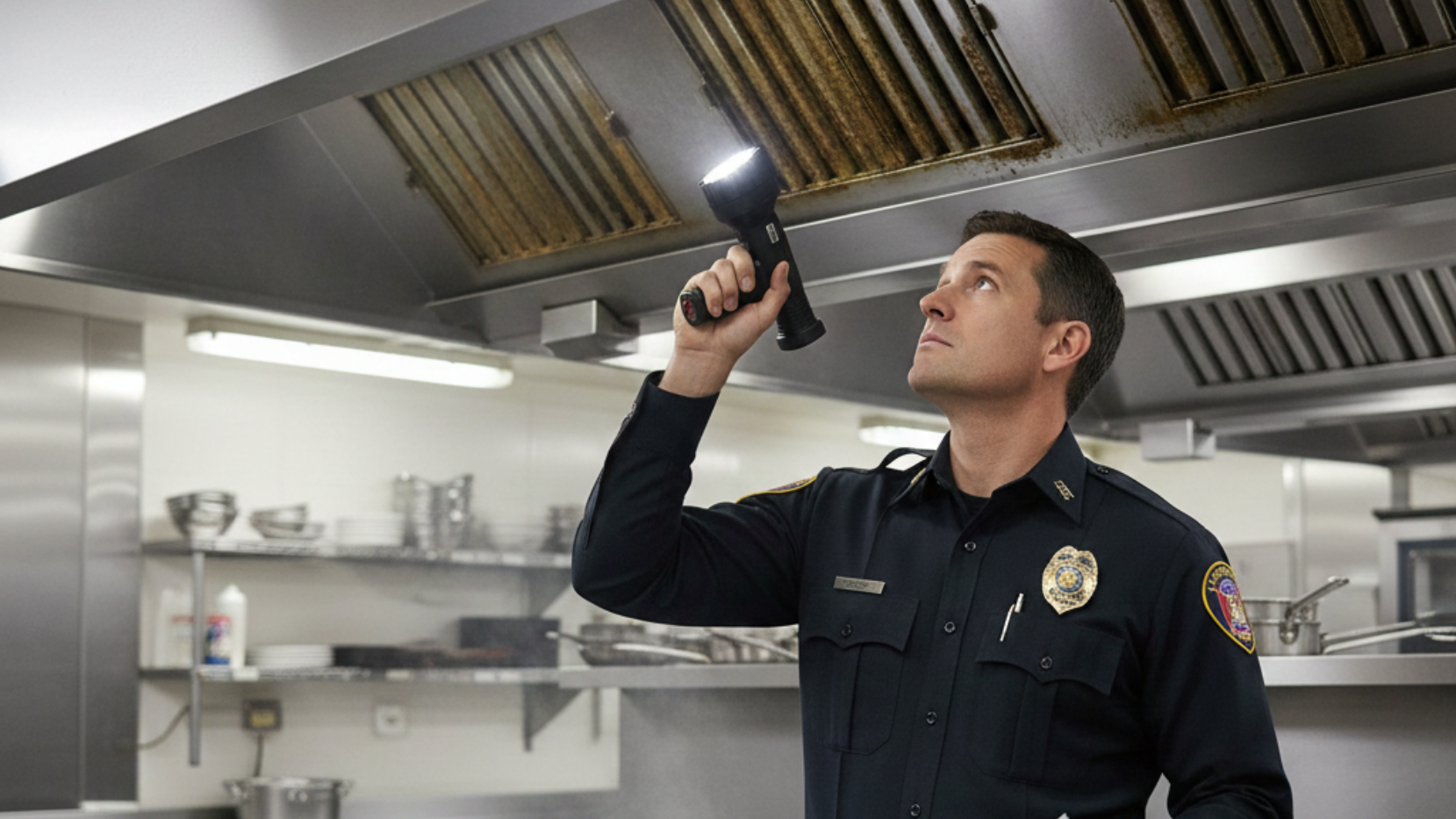
Restaurant fire inspections in Charlotte, NC are designed to ensure commercial kitchens meet local fire code requirements and operate safely. For restaurant owners, inspections can feel stressful — especially if you’re unsure what inspectors will review or how often your systems need servicing.
Understanding what Charlotte fire inspectors look for can help you stay compliant, avoid costly violations, and keep your kitchen operating without interruption.
1. Commercial Kitchen Hood System Condition
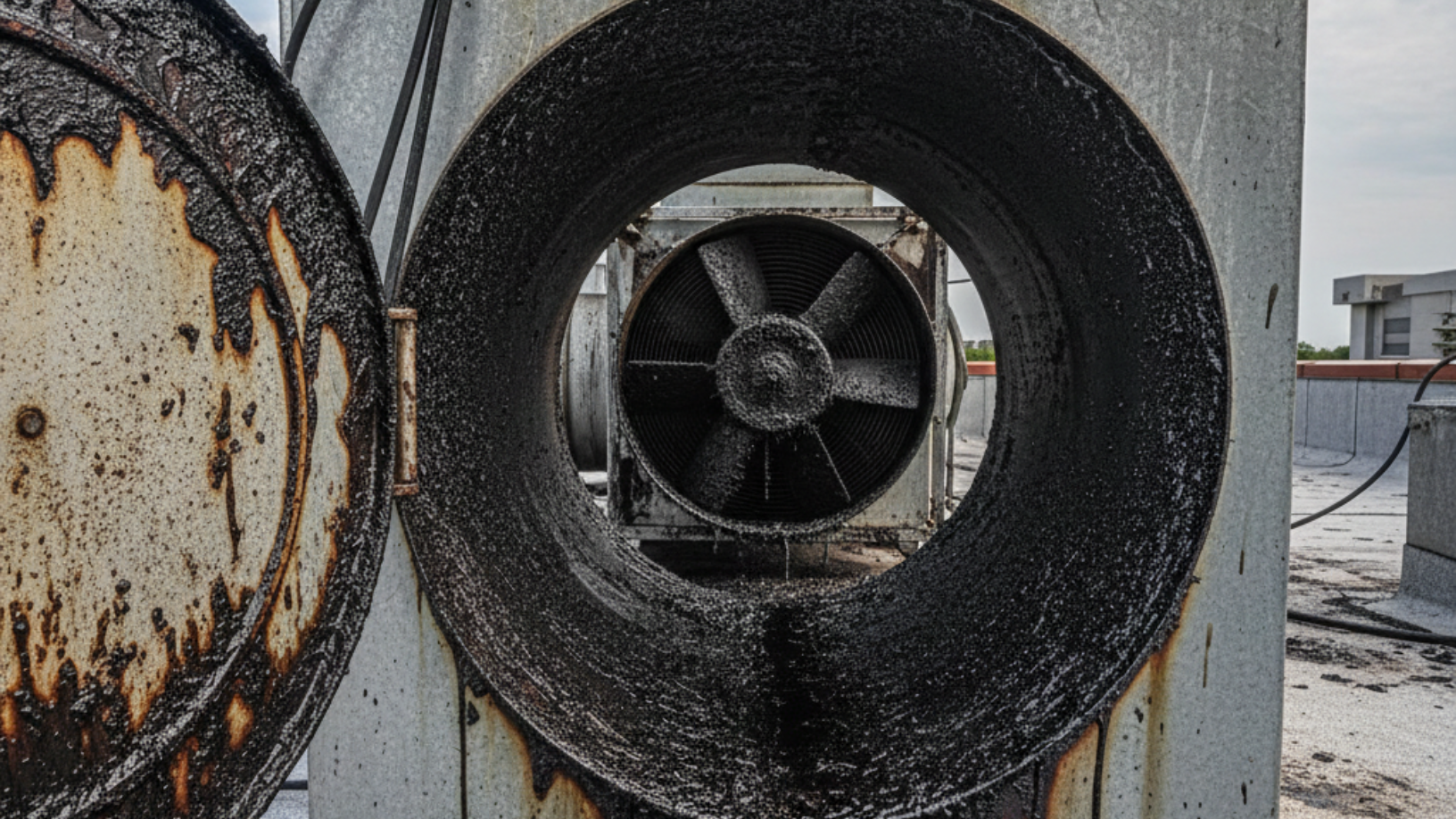
One of the first areas inspected is the kitchen exhaust hood and duct system. Inspectors check for excessive grease buildup, proper cleaning documentation, and overall system condition.
If your system has not been professionally serviced on schedule, it may not meet inspection standards. Routine commercial hood cleaning in Charlotte, NC helps ensure your exhaust system remains compliant and free of hazardous grease accumulation.
Key inspection points include:
- Grease accumulation inside the hood canopy
- Ductwork cleanliness and access panel availability
- Rooftop exhaust fan condition
- Proper installation and mounting
- Cleaning service stickers and documentation
If grease buildup is visible or documentation is outdated, you may receive a correction notice requiring immediate service.
2. Fire Suppression System Inspection Tags and Service Dates
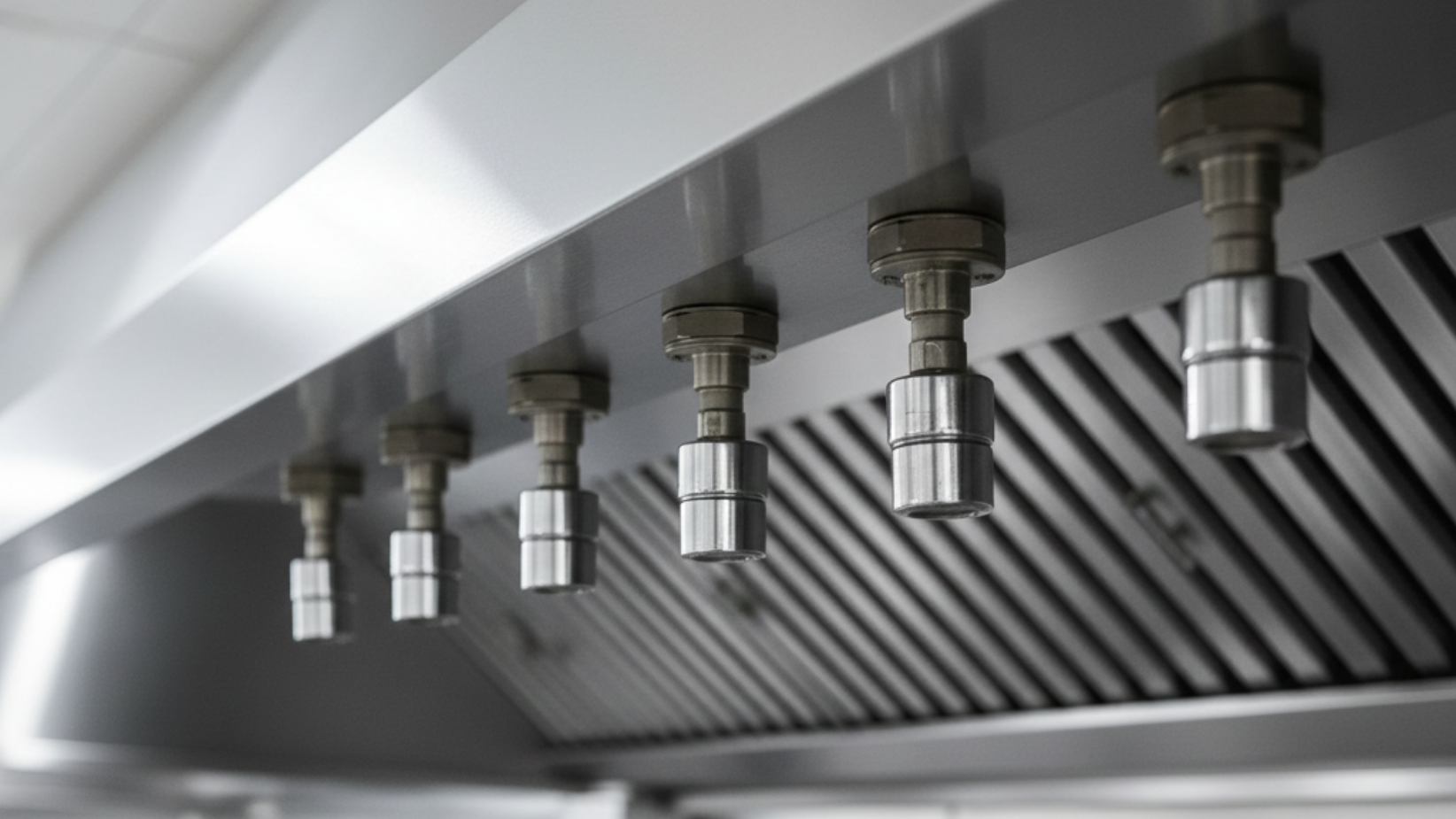
Fire suppression systems must be inspected and serviced at required intervals. Inspectors verify that:
- The system has a current inspection tag
- Nozzles are properly positioned and unobstructed
- Fusible links are clean and correctly installed
- Manual pull stations are accessible
- The system has not been tampered with
Expired inspection tags are one of the most common violations in commercial kitchens.
Scheduling routine restaurant fire suppression system inspections helps prevent compliance issues and ensures your system will activate properly in the event of a fire.
3. Emergency Lighting and Exit Sign Functionality
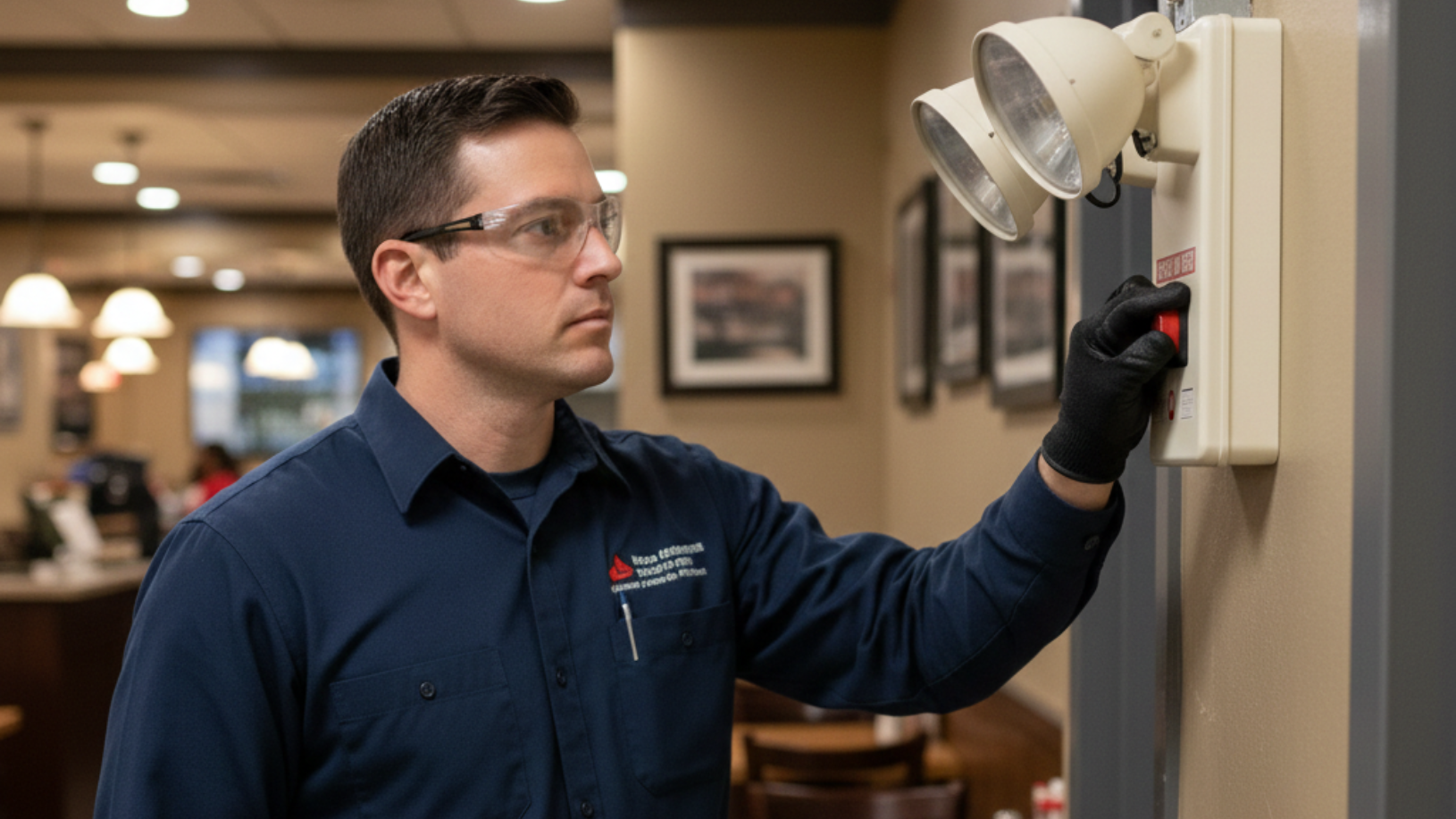
During a power outage, emergency lighting and illuminated exit signs must activate automatically. Inspectors test these systems to confirm they operate properly.
They typically check:
- 30-second functional test capability
- Battery backup condition
- Exit sign visibility and illumination
- Proper placement along exit routes
- Stairwell and secondary exit lighting
Failure to maintain emergency lighting systems can result in compliance violations, especially in larger dining establishments.
Regular emergency lighting inspection and testing services help ensure your building remains code-compliant and safe during emergencies.
4. Clearance Around Cooking Equipment
Inspectors also review the area around cooking equipment to ensure proper clearance and safe operation.
Common issues include:
- Combustible materials stored near cooking appliances
- Blocked fire suppression nozzles
- Obstructed access to manual pull stations
- Equipment moved outside protected areas
Even small layout changes can unintentionally create compliance problems.
5. Documentation and Maintenance Records
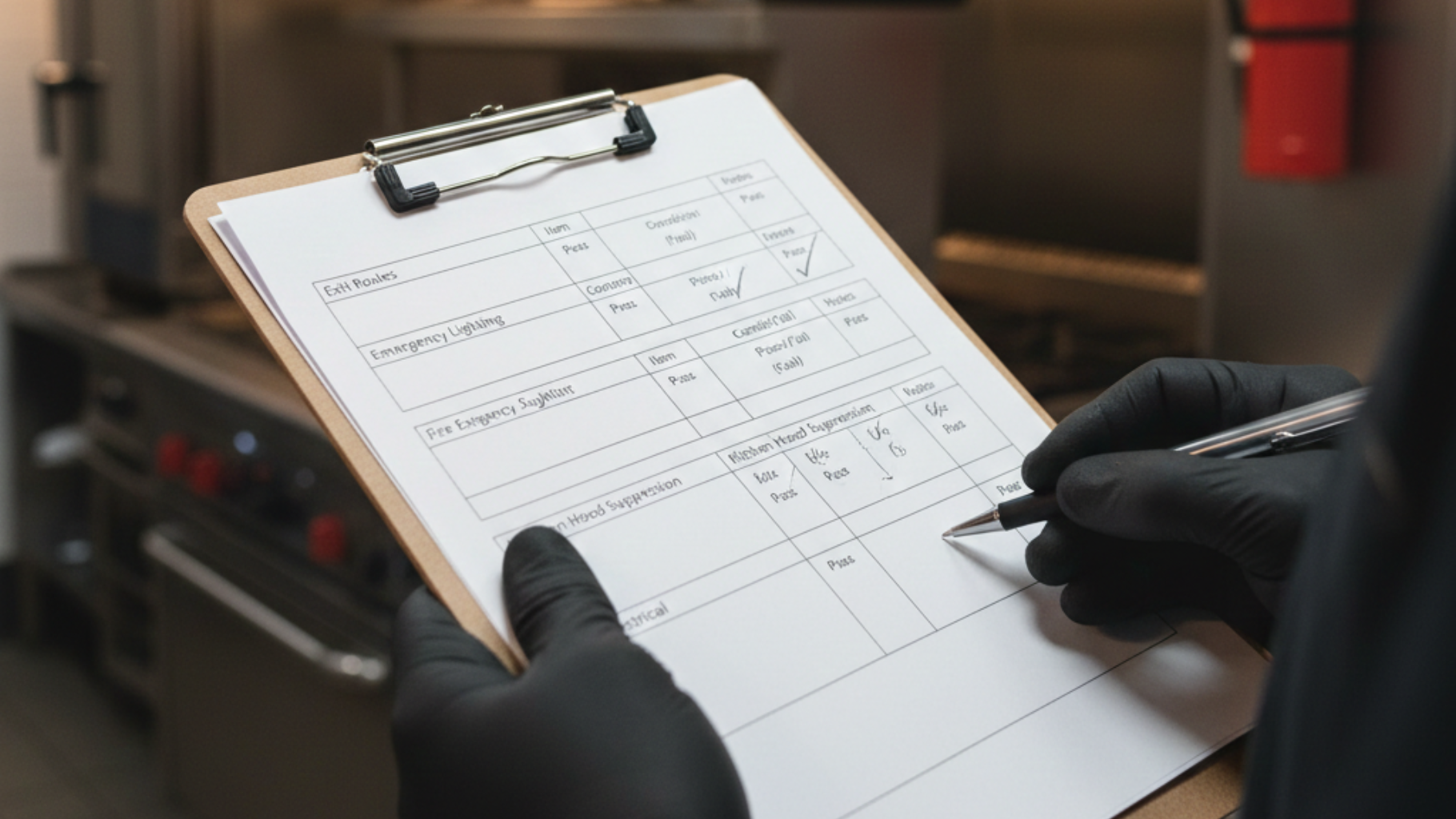
Proper documentation plays a major role during inspections. Charlotte fire inspectors may request records showing:
- Hood cleaning service dates
- Fire suppression inspection reports
- Emergency lighting testing logs
- Repair documentation
Maintaining current fire extinguisher inspection and maintenance records can help demonstrate full compliance during inspections.
Keeping organized maintenance records helps demonstrate compliance and reduces the likelihood of penalties.
What Happens If You Fail a Fire Inspection in Charlotte?
If violations are found, the inspector may issue:
- A correction notice with a deadline
- A follow-up inspection requirement
- Fines for non-compliance
- In severe cases, temporary closure
Most violations are preventable with routine service and proactive maintenance.
How to Prepare for Your Next Fire Inspection
To stay inspection-ready year-round:
- Schedule regular hood cleaning based on cooking volume
- Maintain semi-annual fire suppression inspections
- Perform monthly emergency lighting checks
- Keep all service documentation organized and accessible
- Address minor issues before inspection day
Proactive maintenance not only protects your business from violations — it protects your staff, customers, and property.
Stay Inspection-Ready with Professional Support
Staying compliant requires more than reacting to inspection notices. Proactive scheduling of hood cleaning, suppression inspections, emergency lighting testing, and extinguisher service keeps your restaurant prepared year-round.
If you need assistance preparing for your next fire inspection, contact Charlotte Hood Cleaning to schedule professional service and compliance support.
Frequently Asked Questions About Restaurant Fire Inspections in Charlotte
How often are restaurants inspected by the fire department in Charlotte?
Fire inspection frequency depends on the type of occupancy, cooking volume, and previous compliance history. Most commercial kitchens in Charlotte are inspected annually, but higher-risk establishments may be inspected more frequently.
What is the most common reason restaurants fail fire inspections?
The most common violations include excessive grease buildup in hood systems, expired fire suppression inspection tags, blocked fire extinguishers, and non-functioning emergency lighting.
Do I need documentation during a fire inspection?
Yes. Inspectors may request proof of recent hood cleaning, fire suppression system inspections, emergency lighting testing, and fire extinguisher maintenance. Keeping organized service records helps demonstrate compliance.
Can a restaurant be shut down for failing a fire inspection?
In serious cases involving life safety hazards, temporary closure is possible. Most violations result in a correction notice with a deadline, but unresolved or repeat violations can lead to fines or shutdown.
How can I prepare for a restaurant fire inspection?
Restaurants should schedule routine hood cleaning, maintain semi-annual fire suppression inspections, test emergency lighting monthly, and ensure fire extinguishers are properly serviced and accessible.
Need Commercial Hood Cleaning or Fire Protection Service?