Hood Cleaning Charlotte NC: Summer Fire Risks Every Restaurant Should Know
Why Charlotte Restaurants Face Higher Fire Risk in Summer
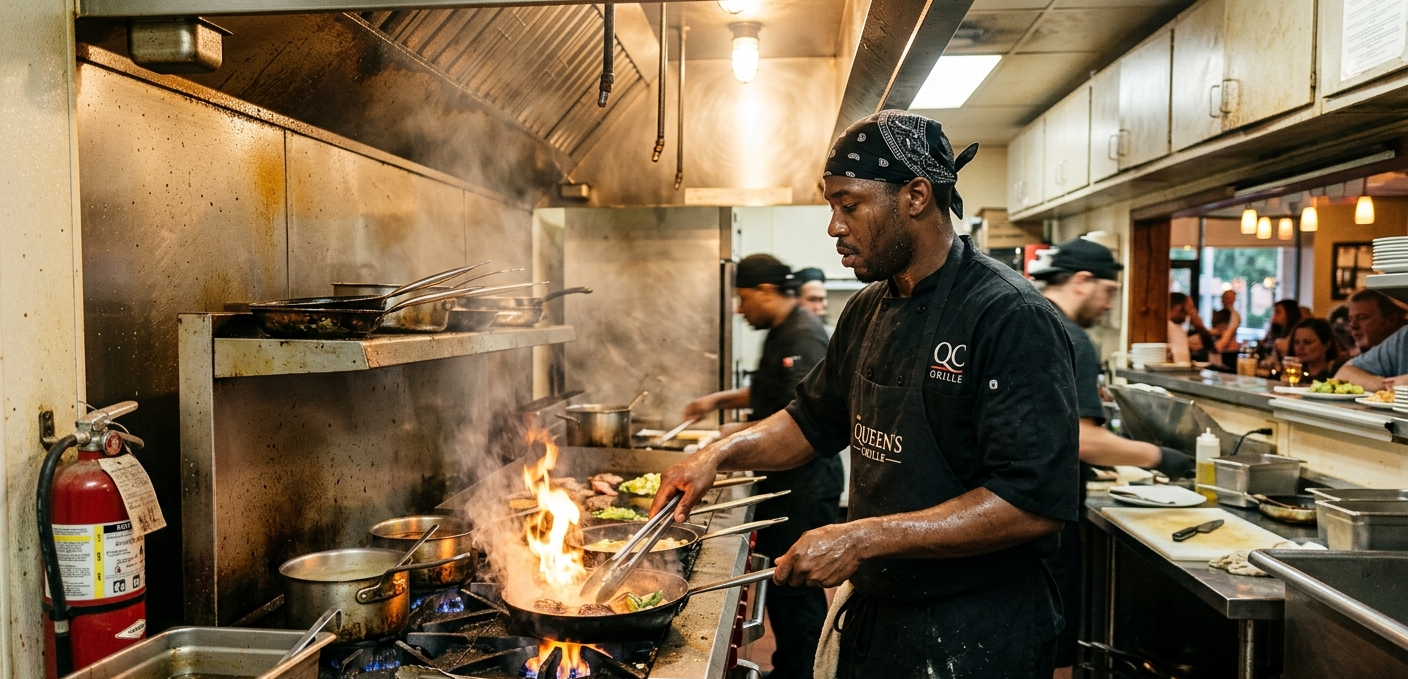
Commercial kitchens across Charlotte, NC and Mecklenburg County face a predictable seasonal problem: summer heat combined with increased restaurant traffic creates faster grease buildup inside exhaust systems.
From Uptown Charlotte to South End, NoDa, Ballantyne, and University City, kitchens run longer hours and handle higher order volumes. That extra load pushes grease into hood systems, ducts, and exhaust fans at a much faster rate.
Regular commercial kitchen hood cleaning Charlotte NC restaurants rely on is essential for fire prevention, NFPA 96 compliance, and maintaining safe kitchen operations.
Many restaurants schedule restaurant hood cleaning before peak summer demand to reduce fire risk and avoid inspection failures.
Why Summer Is the Most Dangerous Season for Commercial Kitchen Fires in Charlotte
Summer conditions in Charlotte don’t directly cause fires—but they create the environment where fires are far more likely.
Heat and Humidity Reduce Ventilation Efficiency
High humidity in Charlotte NC reduces airflow efficiency inside commercial kitchen exhaust systems, allowing grease particles to cling more easily to ducts and filters.
Higher Restaurant Volume Across Charlotte
Areas like Uptown Charlotte and South End Charlotte experience heavy dining traffic during summer months. More cooking activity means more grease production and faster system contamination.
Common Summer Fire Risks
- Grease buildup inside hood filters and ducts
- Reduced exhaust airflow
- Overheated cooking equipment
- Continuous high-volume cooking cycles
How Hood Cleaning Prevents Commercial Kitchen Fires
Professional hood cleaning for restaurants removes flammable grease deposits throughout the entire exhaust system—not just visible surfaces.
Kitchen exhaust system cleaning targets hidden grease inside ducts, fans, and internal components where most restaurant fires originate.
Where Kitchen Fires Typically Start
Most commercial kitchen fires begin in:
- Exhaust ductwork
- Fan housings
- Behind filters
- Grease collection areas
Once ignited, grease fires can spread rapidly through ventilation systems.
Why Professional Cleaning Is Critical
DIY cleaning only removes surface grease. Professional commercial kitchen exhaust cleaning in Charlotte NC ensures full system cleaning and NFPA 96 compliance.
NFPA 96 Requirements for Charlotte Restaurants
NFPA 96 sets national fire safety standards for commercial kitchen ventilation systems.
High-volume kitchens across Charlotte, Concord, Huntersville, and Gastonia often require more frequent cleaning schedules depending on cooking intensity.
Fire suppression systems provide an essential layer of protection when ignition occurs.
NFPA 96 Compliance Requires
- Scheduled hood and duct cleaning
- Proper maintenance records
- Fire inspection documentation
- System compliance verification
Failure to comply can result in fines, insurance issues, or forced closure.
Warning Signs Your Restaurant Needs Hood Cleaning
- Visible grease buildup on filters
- Smoke lingering in the kitchen
- Strong or unusual odors
- Excess heat in cooking areas
- Grease dripping from hood components
- Reduced airflow or ventilation
- Failed health or fire inspection
Even with proper cleaning, fire risk still exists. Suppression systems provide automatic protection when needed. These systems activate when heat or flames are detected in cooking areas.
How Fire Suppression Systems Work
- Heat detection triggers activation
- Suppression agent is released through nozzles
- Flames are extinguished instantly
- Cooking equipment is automatically shut down
Key Components
- Detection system
- Suppression nozzles
- Control panel
- Chemical agent tank
Routine inspections ensure systems operate correctly in emergencies.
Inspection Includes
- Nozzle cleaning and testing
- Pressure checks
- Detection line verification
- System functionality testing
Common issues include clogged nozzles, disconnected lines, or expired suppression agents.
Food Truck Fire Suppression Systems in Charlotte
Food trucks in Charlotte NC, Matthews, Pineville, and Gastonia face elevated fire risk due to compact cooking environments.
Common Risks
- Propane system leaks
- Limited ventilation
- Grease buildup in small exhaust systems
- Overheated equipment in confined space
Food trucks require strict maintenance due to vibration and mobility-related wear on systems.
Charlotte Service Areas
We provide hood cleaning services across:
- Uptown Charlotte
- South End
- NoDa
- Ballantyne
- University City
- Matthews NC
- Pineville NC
- Huntersville NC
- Concord NC
- Gastonia NC
Real Example: A Prevented Kitchen Fire in South End Charlotte
A restaurant in South End Charlotte scheduled routine hood cleaning after noticing weak ventilation performance. During inspection, technicians discovered heavy grease buildup inside ductwork that was close to ignition levels.
What Was Found
- Thick grease accumulation inside ducts
- Restricted airflow in exhaust system
- Elevated heat retention above cooking line
What Could Have Happened
Without intervention, a single flare-up could have triggered a fast-moving kitchen fire through the ventilation system.
Key Takeaway
Most restaurant fires are preventable with routine maintenance and inspection.
Benefits of Summer Hood Cleaning
- Reduced fire risk during peak season
- Improved kitchen airflow and air quality
- Safer working conditions for staff
- Lower insurance and liability exposure
- Extended equipment lifespan
- Full NFPA 96 compliance
Protect Your Charlotte Restaurant Before Fire Risk Increases
Restaurants across Uptown Charlotte, South End, Ballantyne, and Concord face increased fire risk during summer due to higher cooking demand.
Charlotte Hood Cleaning provides professional restaurant hood cleaning, kitchen exhaust cleaning, fire suppression services, and NFPA 96 compliance support throughout Mecklenburg County.
Frequently Asked Questions
How often should restaurant hood systems be cleaned?
Most Charlotte restaurants require quarterly cleaning, while high-volume kitchens may need monthly service depending on grease output.
Is hood cleaning required by law?
Yes. NFPA 96 and local fire codes require routine commercial kitchen exhaust cleaning.
What is included in hood cleaning?
Cleaning includes hood surfaces, filters, ducts, and exhaust fans.
What happens if I skip hood cleaning?
Grease buildup increases fire risk and can lead to failed inspections, fines, or insurance issues.
How often should fire suppression systems be inspected?
Typically every 6 months, depending on local regulations.
Do food trucks need fire suppression systems?
Yes. Most mobile food operations in Charlotte require approved suppression systems.
Need Commercial Hood Cleaning or Fire Protection Service?